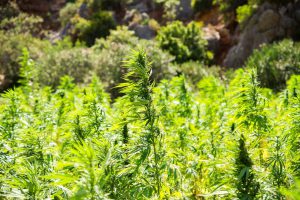
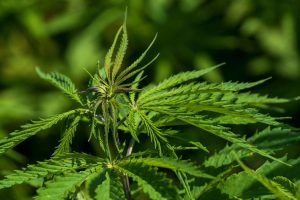




Dans la quête de matériaux durables pour atténuer l’impact environnemental des plastiques, le chanvre apparaît comme un candidat prometteur. Cette culture ancienne pourrait-elle annoncer une [more…]
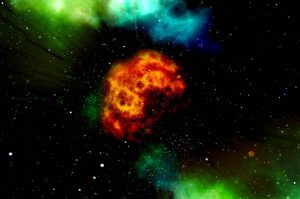
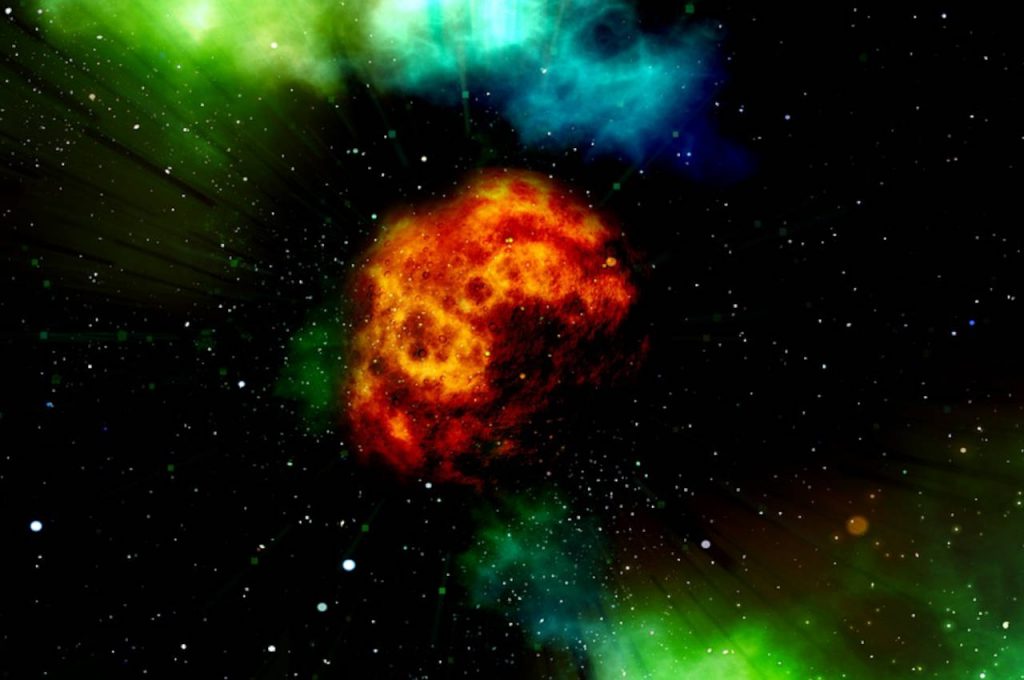
Vous voulez découvrir les origines de l’univers ? Lisez cet article pour en savoir plus sur le Big Bang !
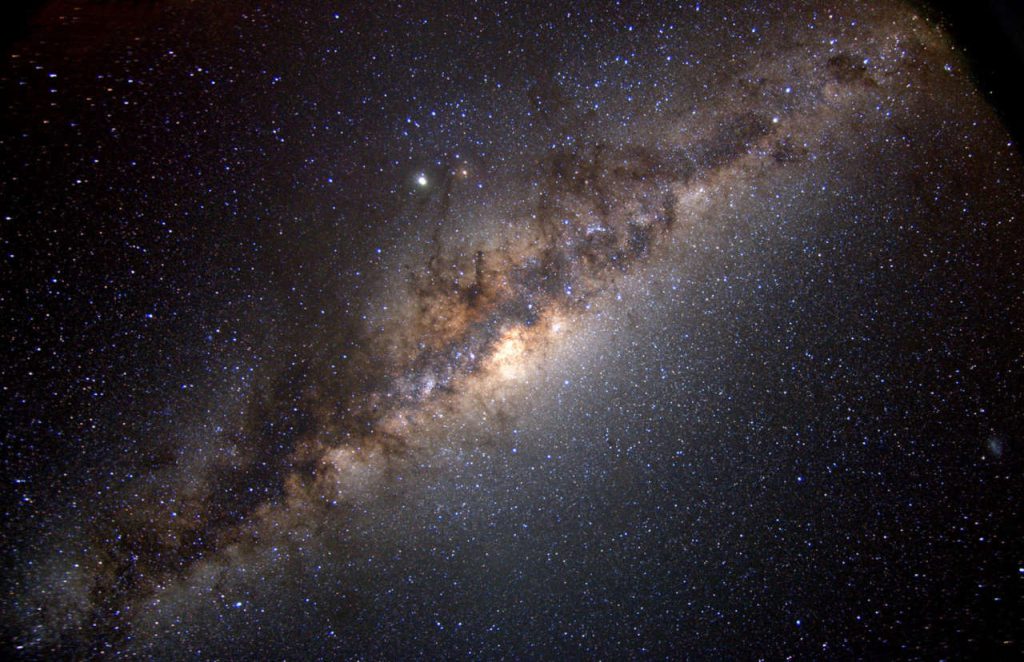
La Voie lactée, notre galaxie, est un immense champ d'étude pour les astrophysiciens. C'est un vaste ensemble de gaz, de poussières, d'étoiles et de corps célestes qui contiennent des informations inestimables sur la structure générale de l'univers et sur son évolution. Cet article vise à dévoiler quelques-unes des facettes captivantes...

Les phénomènes astronomiques connus sous le nom de trous noirs constituent l'un des sujets les plus fascinants de l'astrophysique. Représentant un point de l'espace où la gravité est si forte que même la lumière ne peut s'en échapper, les trous noirs sont emblématiques des immenses complexités et des aspects énigmatiques...

L'univers, dans son immensité ineffable, présente des phénomènes plus ou moins complexes, dont la nébuleuse. Une nébuleuse est un concept astronomique dont l'étymologie remonte au mot latin signifiant "nuage", reflétant ses caractéristiques observables dans l'espace. Ces entités nébuleuses contribuent de manière significative à l'évolution stellaire, en tant qu'incubateurs pour la...
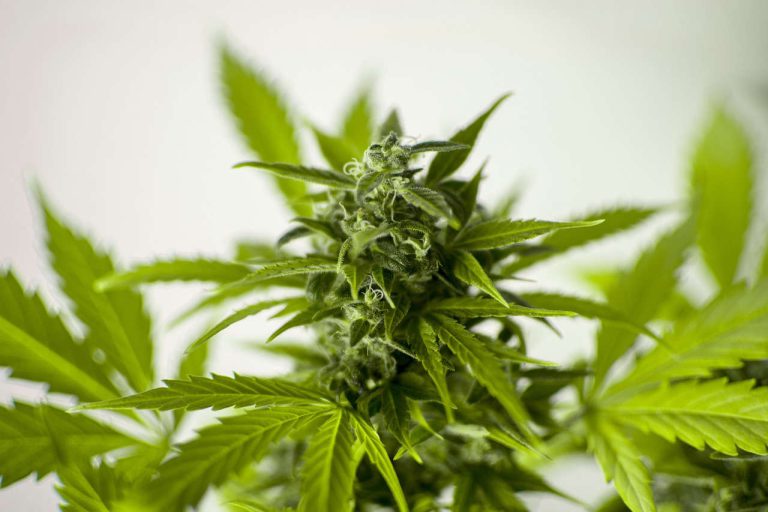
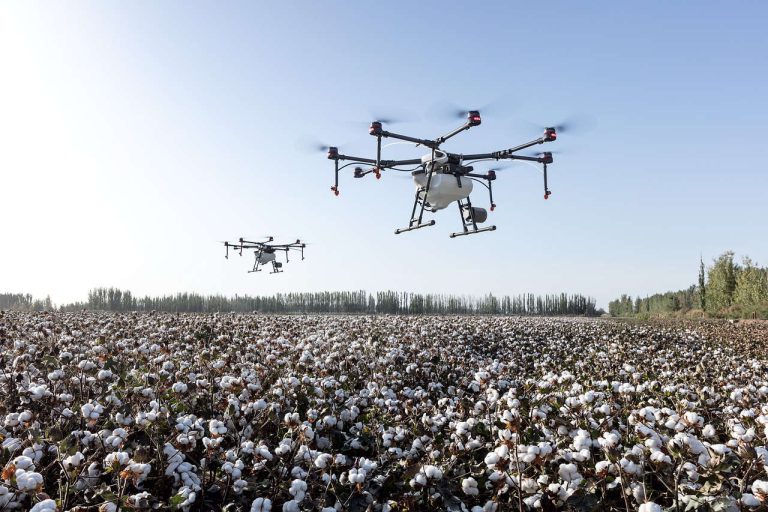
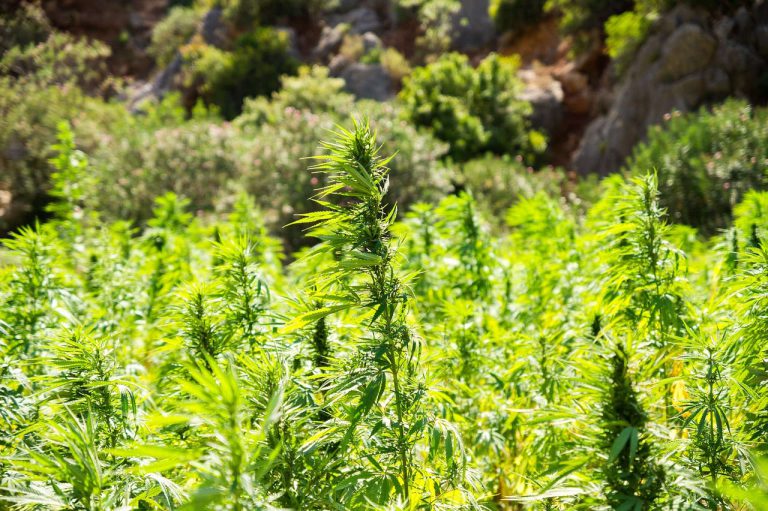
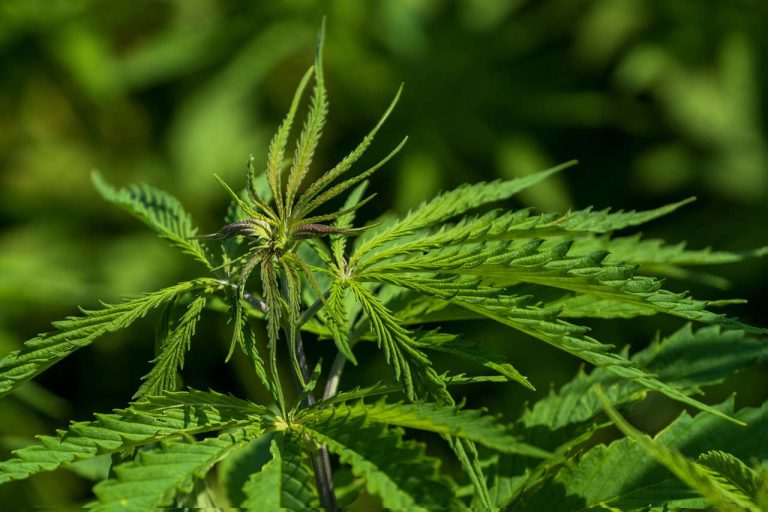
Réputé pour sa polyvalence et son potentiel d'utilisation illimité, le chanvre est une véritable locomotive pour l'agriculture. Une gamme impressionnante de dizaines de milliers de produits distincts peut être dérivée...
Dans la quête de matériaux durables pour atténuer l'impact environnemental des plastiques, le chanvre apparaît comme un candidat prometteur. Cette culture ancienne pourrait-elle annoncer une nouvelle ère dans le domaine...
Le chanvre, une plante qui a traversé l'histoire avec un éventail d'utilisations polyvalentes, fait un retour remarquable dans le domaine de la construction écologique. Cet article se penche sur les...
Dans le domaine agricole, le chanvre se distingue par son passé historique, profondément ancré dans la trame de l'histoire de l'humanité. Les humbles débuts de cette plante polyvalente remontent aux...
Alors que nous jetons un œil avisé sur la bataille pour la domination des fibres naturelles, il devient de plus en plus évident que le chanvre mène la charge vers...
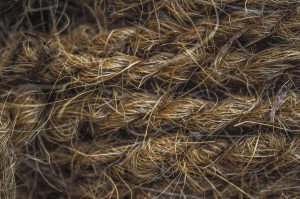
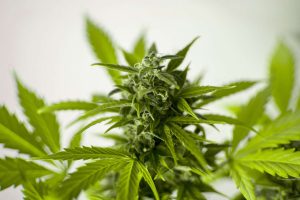
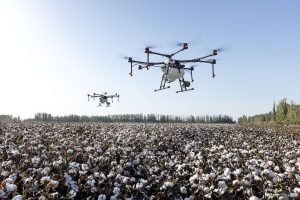
Dans la quête de matériaux durables pour atténuer l’impact environnemental des plastiques, le chanvre apparaît comme un candidat prometteur. Cette culture ancienne pourrait-elle annoncer une [more…]
Le chanvre, une plante qui a traversé l’histoire avec un éventail d’utilisations polyvalentes, fait un retour remarquable dans le domaine de la construction écologique. Cet [more…]
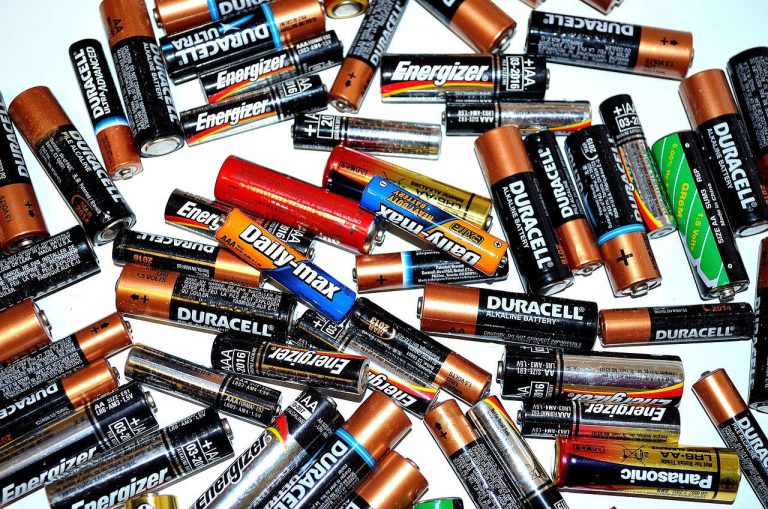
Alors que le monde cherche sérieusement des solutions durables pour répondre à ses besoins sans cesse croissants en matière de stockage d’énergie, la plante de [more…]
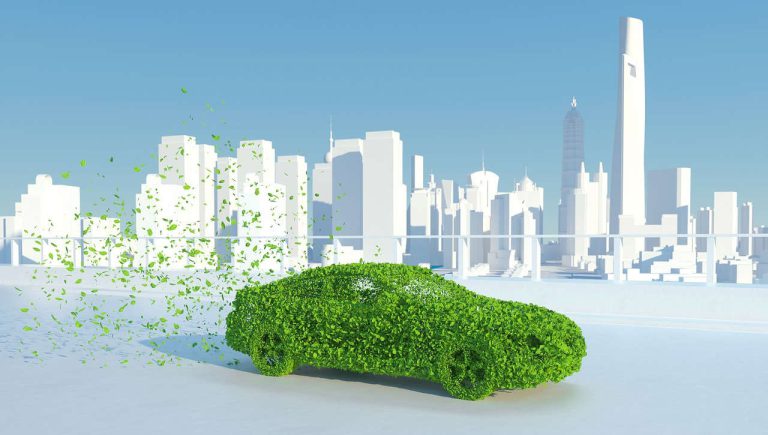
L’exploration de matériaux alternatifs dans l’industrie automobile a suscité un regain d’intérêt pour l’utilisation du chanvre. Cette plante polyvalente, bien connue pour sa durabilité et [more…]

Le concept de réseau pair-à-pair (P2P – Peer-to-Peer) représente un paradigme informatique à la fois robuste et simple. Apparu dans les dernières années des années [more…]
Dans le monde labyrinthique de la technologie blockchain, les jetons non fongibles (NFT) sont apparus comme une innovation révolutionnaire, redéfinissant la façon dont nous percevons [more…]
L’Ethereum est souvent mentionné dans la même tendance que son grand frère, le Bitcoin, ce qui suscite la curiosité des nouveaux venus dans le domaine [more…]

Au confluent de la technologie et de la finance, une monnaie numérique, le bitcoin, est entrée dans l’histoire. Né de la fusion du « bit » – [more…]