



|
|
Institut Méditerranéen de Biodiversité et d'Ecologie marine et continentale CNRS-INEE - IRD -Aix Marseille Université - Université d'Avignon - Institut Pytheas |
||||||||
|
|||||||||
| Libération | Le Monde | Le Figaro | Rue89 | Télérama | Arte | Yahoo actus | Trafic |
|
|
|
||||||||
|
|
Quelques programmes de recherche en cours |
|
CIGESMED : déterminer l’état écologique des côtes méditerranéennes par l’étude du coralligène
Le projet européen méditerranéen CIGESMED a été lancé en Crète les 17-19 avril 2013, pour évaluer et monitorer le Bon Etat Ecologique (BEE) du coralligène, utilisé comme indicateur de l’état de la Méditerranée côtière. L’Institut Méditerranéen de Biodiversité et d’Ecologie marine et continentale (IMBE) pilote cette étude au niveau national. En savoir plus - Télécharger le flyer |
|
|||||||
|
TransHumance
Du 15 mai au 15 juin - Le programme - Affiche - Parcours |
||||||||
06/12 Les toits de la Friche Belle de Mai Dans le cadre de Marseille 2013 Le partenariat avec l’IMBE, son directeur Thierry Tatoni et Laurence Affre s’est construit progressivement à partir des expériences sur la présence du végétal et de l’eau... D'ici là et au delà -- Délire de presse (La Nuit Magazine) : |
|
|||||||||||||||||||
Séminaire IMBE
Lundi 27 mai après midi - Endoume - salle de conférence Etude des mécanismes de distribution de la diversité des assemblages des communautés à Coralligène en Méditerranée Française. Par Florian Holon (Andromède Océanologie et Université Montpellier II) Invité par Didier Aurelle - En savoir + |
|||||||||||||||||||
Colloque sur les réseaux trophiques marins
Jeudi 30 mai 2013 de 13h30 à 16h30 au Muséum National d’Histoire Naturelle à Paris (Amphithéâtre Rouelle) Colloque sur « les réseaux trophiques marins ». Ce colloque s'adresse aux gestionnaires et aux scientifiques. En savoir + |
|||||||||||||||||||
IMPACTS WORLD 2013 - International Conference on Climate Change Effects
Organization: Potsdam Institute for Climate Impact Research The World Conference on Climate Change Effects initiated by PIK and IIASA. The IMPACTS WORLD 2013 conference in Potsdam will for the first time bring together the wealth of climate change research and researchers from around the world, with the goal of setting a state-of-the-art agenda for climate impact research. IMPACTS WORLD 2013 will lay the foundation for regular, community-driven syntheses of climate change impact analyses. From May 27-30 2013 leading scientists and decision makers from local to international levels will discuss the development of: Web site |
|||||||||||||||||||
| >>>> Tous les séminaires, colloques, workshops à venir >>>> | |||||||||||||||||||
|
|
|
|
|
Magazine de la recherche Européenne |
|||
|
|
Outils bibliogaphiquesBiblioVie / BiblioPlanet |
| Science for Environment Policy | Ecosystem-based adaptation |
16/05/13 Invasive Crazy Ants Are Displacing Fire AntsInvasive "crazy ants" are displacing fire ants in areas across the southeastern United States, according to researchers at The University of Texas at Austin. It's the latest in a history of ant invasions from the southern hemisphere and may prove to have dramatic effects on the ecosystem of the region. |
|||||||||
16/05/13 Research into Carbon Storage in Arctic Tundra Reveals Unexpected Insightinto Ecosystem Resiliency When UC Santa Barbara doctoral student Seeta Sistla and her adviser, environmental studies professor Josh Schimel, went north not long ago to study how long-term warming in the Arctic affects carbon storage, they had made certain assumptions - Article in Nature |
15/05/13 Les insecticides affament les organismes aquatiquesLes abeilles ne sont pas les seules à pâtir de la présence des nicotinoïdes dans l’environnement. Ces insecticides particulièrement solubles dans l’eau portent également atteinte aux organismes aquatiques. Des concentrations faibles mais permanentes peuvent s’avérer mortelles. Article in PLoS ONE |
||||||||
15/05/13 Fish thermometer reveals long-standing, global impact of climate changeClimate change has been impacting global fisheries for the past four decades by driving species towards cooler, deeper waters, according to University of British Columbia scientists. In a Nature study published this week, UBC researchers used temperature preferences of fish and other marine species as a sort of “thermometer” to assess effects of climate change on the worlds oceans between 1970 and 2006. - Article in Nature |
|||||||||
16/05/13 Inferring ancient divergences requires genes with strong phylogenetic signalsThese days, phylogeneticists -- experts who painstakingly map the complex branches of the tree of life -- suffer from an embarrassment of riches. The genomics revolution has given them mountains of DNA data that they can sift through to reconstruct the evolutionary history that connects all living beings. But the unprecedented quantity has also caused a serious problem: The trees produced by a number of well-supported studies have come to contradictory conclusions. - Article in Nature |
16/05/13 Helping forests gain ground on climate change University of Alberta researchers have developed guidelines that are being used by the timber industry and government foresters to get a jump on climate change when planting trees. Maps developed by Laura Gray, a post-doctoral fellow in the Department of Renewable Resources at the U of A, provide projections of climatically suitable habitat for tree species based on climate predictions for the 2020s, 2050s and 2080s. Article in Climatic Change |
||||||||
15/05/13 Plants use underground networks to warn of enemy attackThe research, published today in Ecology Letters, changes our understanding of how things interact with one another. If crops can be managed in a way that exploits the natural communication channel, it could also provide a new weapon in the battle against insect pests. Article in Ecology Letters |
15/05/13 Cooling ocean temperature could buy more time for coral reefsLimiting the amount of warming experienced by the world's oceans in the future could buy some time for tropical coral reefs, say researchers from the University of Bristol. The study, published by the journal Geophysical Research Letters, used computer models to investigate how shallow-water tropical coral reef habitats may respond to climate change over the coming decades |
||||||||
15/05/13 Productivity increases with species diversityOne hundred and fifty years later, research result proves Darwin prediction Environments containing species that are distantly related to one another are more productive than those containing closely related species, according to new research from the University of Toronto Scarborough (UTSC). The experimental result from Marc William Cadotte confirms a prediction made by Charles Darwin in On the Origin of Species, first published in 1859. Darwin had said that a plot of land growing distantly related grasses would be more productive than a plot with a single species of grass - Article in PNAS |
|||||||||
|
14/05/13 Une augmentation surprenante des émissions de composés organiques par la végétation en Europe Grâce à l’analyse de différentes couches de glace du Mont Blanc, des chercheurs du Laboratoire de glaciologie et géophysique de l'environnement (LGGE/OSUG, UJF / CNRS) et de l’Institut fur umweltphysik (IUP, Université de Heidelberg) viennent de montrer que la teneur atmosphérique estivale en particules carbonées avait triplé entre les années 1940 et les dernières décennies. Rien d’étonnant à cela, pourrait-on penser. Et pourtant, ils ont également montré que cette augmentation n'est pas due à l’utilisation des combustibles fossiles mais aux émissions de composés organiques par la végétation ! |
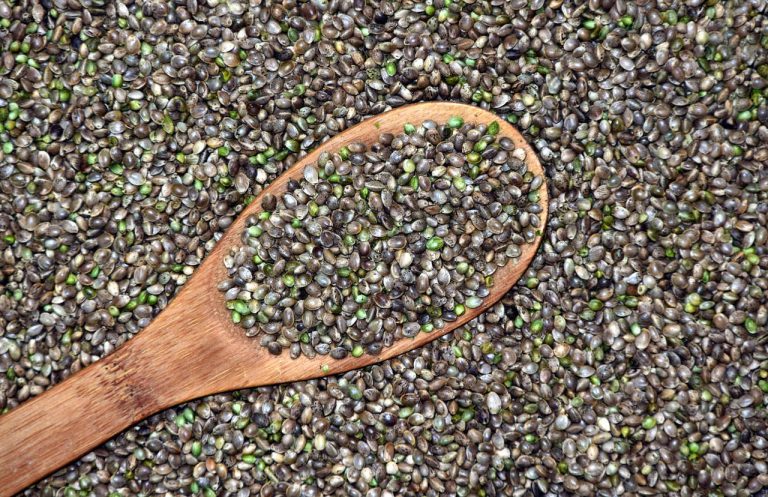
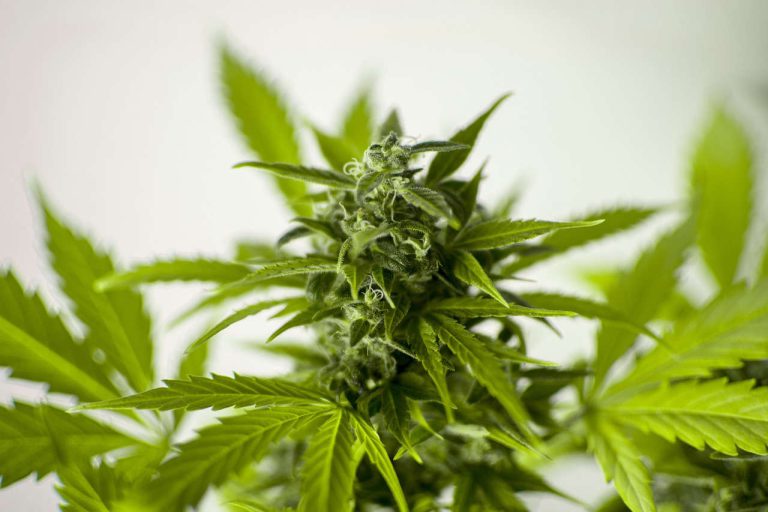
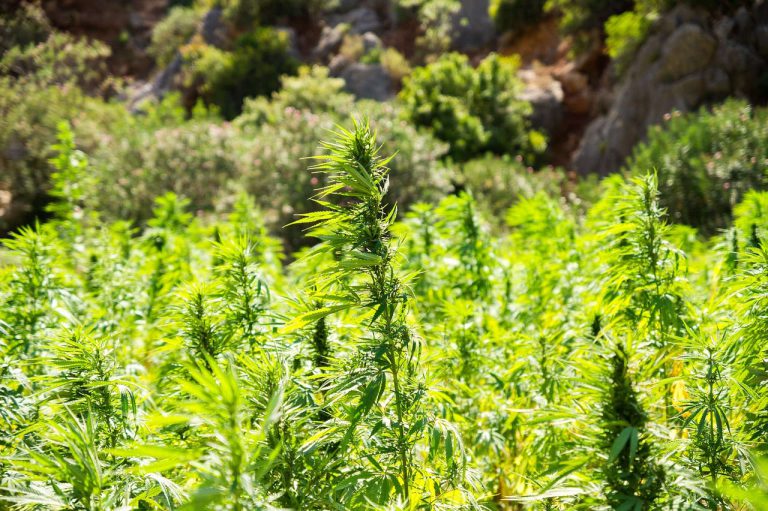
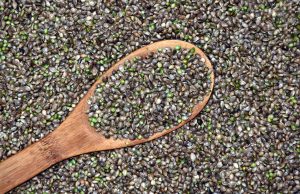
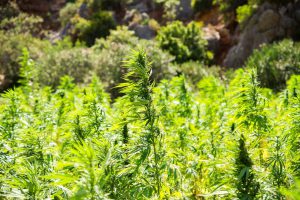
14/05/13 Le cannabinol sédimentaire témoigne d'un procédé ancestral de traitement du chanvreUne équipe de scientifiques menée par l’Institut des sciences de la Terre d’Orléans (CNRS / Université d’Orléans / BRGM), en collaboration avec trois autres laboratoires (GéHCo, GEOLAB et IMBE)(1), a mis en évidence la présence, dans les sédiments accumulés au cours des 800 dernières années au fond d’un lac auvergnat, d’une molécule spécifique du chanvre, le cannabinol. Grâce à ce traceur original, ils ont pu montrer que, dans cette région, le rouissage du chanvre et la pollution des eaux de surface qui lui est associée ont commencé au XIIIe siècle pour s’arrêter à la fin du XIXe siècle. |
||||||||
13/05/13 Revealing Hidden Fungal Species Using DNA: The Importance of Recognizing Cryptic DiversityOur ability to assess biological diversity, ecosystem health, ecological interactions, and a wide range of other important processes is largely dependent on accurately recognizing species. However, identifying and describing species is not always a straightforward task. In some cases, a single species may show a high level of morphological variation, while in other cases, multiple morphologically similar species may be hidden under a single species name. Cryptic species, two or more distinct species that are erroneously classified under a single species name, are found in all major groups of living things. |
|||||||||
13/05/13 Climate change will cause widespread global-scale loss of common plants and animalsMore than half of common plants and one third of the animals could see a dramatic decline this century due to climate change – according to research from the University of East Anglia. Research published today in the journal Nature Climate Change looked at 50,000 globally widespread and common species and found that more than one half of the plants and one third of the animals will lose more than half of their climatic range by 2080 if nothing is done to reduce the amount of global warming and slow it down. Article in Nature Climat Change |
10/05/13 An invasion and transformation As the climate warms, subalpine meadows in some parts of the world are being transformed into forests. Warmer temperatures and other climate-induced changes reduce snowpack and other factors that limit the distribution and range of conifer species. - Article in Environmental Monitoring and Assessment |
||||||||
|
>>>>> Les NiouZes de l'IMBE... |
|